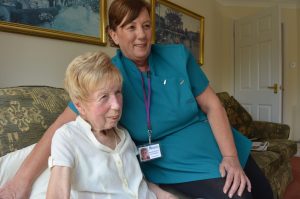
Coming home after a hospital stay should feel like a relief. For someone living with dementia, it often doesn’t at least not straight away. Here’s how the right home care support makes all the difference.
Whether you’re in Loughborough, Quorn, Sileby, or a quieter village like Cropston or Kingston on Soar, the reality is the same. A hospital discharge for someone with dementia is one of the most vulnerable moments in their care journey.
The unfamiliar environment, disrupted routines, and physical deconditioning that come with a hospital stay can cause a sudden and significant decline even after a short admission. That’s where skilled, consistent home care becomes essential.
What Is Post-Hospital Reablement?
Reablement is short-term, intensive support designed to help someone rebuild the skills and confidence they need for daily life after a health event.
The key difference from standard home care? It’s about doing things with the person not for them.
Reablement shifts the focus from ‘doing for’ to ‘doing with’ and that shift is everything when it comes to recovery.
For people with dementia, this matters enormously. Research shows up to 65% of older adults experience functional decline during a hospital stay, and those with dementia are at significantly higher risk. The work done in those first weeks at home can genuinely change the long-term picture.
Why Consistency Is Everything
For someone with dementia, predictability is protective. When carers visit at the same time each day, follow a familiar routine, and use calm, consistent language, it reduces anxiety and supports orientation.
We see this across every area we cover from Shepshed and Kegworth to Ratcliffe on Soar and Sileby. Families often tell us that consistent, familiar carers made the biggest difference in those early weeks home from hospital.
Wherever possible, we match clients with the same small team of carers. Continuity isn’t just comforting it is clinically important in dementia care.
What Good Reablement Looks Like in Practice
Best practice post-hospital support for someone with dementia includes:
- A thorough assessment before care begins covering pre-hospital ability, current function, medication changes, and home safety
- A ‘doing with’ approach encouraging the person to wash, dress, and move as independently as possible, even when it takes longer
- Careful monitoring for signs of delirium which affects up to 40% of older hospital inpatients with dementia and is often mistaken for permanent decline
- Regular care plan reviews at least weekly in the early stages
- Clear communication with family, GPs, and community nurses
Whether someone is recovering at home in Quorn, returning from hospital to a rural address near Cropston, or settling back into life in Loughborough town centre the principles are the same. Patience, consistency, and genuine person-centred care.
Supporting Families Too
A hospital discharge is stressful for the whole family. Over 70% of carers report a negative impact on their mental health, according to Carers UK.
Good home care teams support families with honest communication, realistic expectations, and signposting to local resources including Leicestershire’s dementia support services and national organisations like Alzheimer’s Society and Dementia UK.
Frequently Asked Questions
How long does reablement typically last?
Usually 4 to 12 weeks but for people with dementia, timelines are often more flexible and guided by individual progress rather than a fixed endpoint.
Is reablement available through the NHS in Leicestershire?
Yes. Reablement support is available through Leicestershire County Council’s adult social care services and NHS community teams. Eligibility varies, and many families supplement statutory provision with private home care for more intensive or specialist support.
What if someone’s condition suddenly worsens after being in the hospital?
Contact the GP or community nurse straight away. Sudden changes in behaviour, confusion, or physical ability may indicate delirium, infection, or a medication issue all of which are treatable with prompt action.
We provide specialist dementia care and post-hospital rehabilitation support across Loughborough, Quorn, Sileby, Kegworth, Cropston, Ratcliffe on Soar, Kingston on Soar, Shepshed, and the surrounding areas of Leicestershire.
If you’d like to talk about how we can support you or a loved one after a hospital discharge, we’d love to hear from you. Contact us today.